
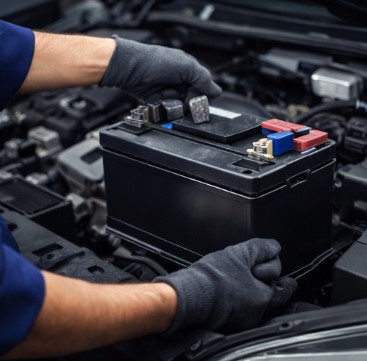
A dependable car battery is the silent anchor of your vehicle’s entire electrical infrastructure. When this component begins to fail, it doesn’t just risk a localized breakdown; it can leave you stranded in dangerous locations or during extreme weather events.
Understanding the lifespan of your battery is essential for proactive vehicle maintenance and overall road safety. By recognizing the subtle warning signs of a declining charge, you can avoid the stress and expense of an emergency tow or a missed appointment.
Age of the Battery
Most automotive batteries are designed to provide optimal performance for a period of three to five years. Once a battery passes the four-year mark, its internal chemical components begin to break down, significantly reducing its ability to hold a reliable charge.
- Check the manufacturing date sticker located on the top or side of the battery casing.
- Keep a record of your last replacement date in your glove box or digital maintenance log.
- Factor in that high-mileage driving can sometimes accelerate the wear on the battery’s internal plates.
Even if your car seems to be starting fine, a battery nearing its fifth anniversary is a prime candidate for failure. Scheduling a professional voltage test at this stage can prevent an unexpected “no-start” situation.
Slow Engine Cranking
One of the most immediate indicators that your battery is losing its potency is a sluggish start when you turn the ignition. If the engine takes longer than usual to “roll over” or sounds labored during the cranking process, the battery is likely struggling to deliver sufficient amperage.
- Listen for a “rur-rur-rur” sound that suggests the starter motor is starved for electrical current.
- Pay attention to whether the car struggles more during the first start of a cold morning.
- Notice if the dashboard lights flicker or dim significantly while you are attempting to start the engine.
This symptom is a final warning that the battery’s cold cranking amps are no longer meeting the vehicle’s demands. Ignoring a slow crank usually results in a completely dead battery within a matter of days.
Visual Signs of Corrosion and Bloating
A quick visual inspection under the hood can reveal physical deformities that signal a battery is in distress. Extreme heat or overcharging by a faulty alternator can cause the battery case to swell or lead to heavy buildup on the connection points.
- Look for a white, ashy, or blue-green powdery substance accumulating on the metal terminals.
- Inspect the plastic casing for any signs of “bloating” or misshapen sides caused by internal pressure.
- Check for a pungent “rotten egg” smell, which indicates the battery is leaking sulfuric acid.
Physical damage to the battery case is a safety hazard that requires immediate attention. Leaking acid can corrode surrounding engine components and permanently damage the wiring harness.
Issues with Onboard Electronics
Because modern cars are packed with sensors and computers, a weak battery often manifests as strange electrical “gremlins.” If your power windows are moving more slowly than usual or your infotainment system is resetting randomly, the battery may be the culprit.
- Watch for dimming headlights, specifically when the car is idling at a stoplight.
- Observe if the “check engine” or “battery” light illuminates intermittently on the dashboard.
- Note any loss of preset memory settings on your radio or power seats.
When the voltage drops below a certain threshold, the car’s computer may shut down non-essential systems to preserve power for the engine. Replacing the battery can often solve these frustrating and mysterious electronic glitches.
Impact of Extreme Weather Conditions
The climate in which you drive has a massive impact on how long your battery will ultimately last. While many people associate battery failure with winter, intense summer heat is actually the leading cause of internal evaporation and premature death.
- Extreme heat accelerates the chemical reactions inside the battery, leading to internal structural damage.
- Freezing temperatures thicken the engine oil, making it harder for a weakened battery to turn the engine.
- Rapidly fluctuating temperatures can cause the battery’s internal components to expand and contract, leading to leaks.
If you live in a region with 100-degree summers or sub-zero winters, you should have your battery tested twice a year. Seasonal check-ups ensure that your battery has the “juice” necessary to handle the increased load of air conditioning or heavy heater use.
Securing Your Daily Commute with a Fresh Start
Investing in a new battery before your current one leaves you stranded is a hallmark of a responsible vehicle owner. By staying ahead of the three-to-five-year replacement cycle and watching for physical warning signs, you ensure your car remains a reliable tool for your busy lifestyle.
A fresh battery provides more than just power; it provides the confidence that your vehicle will respond every time you turn the key, regardless of the temperature outside. Don’t wait for the sound of silence in your driveway—take charge of your car’s electrical health today.