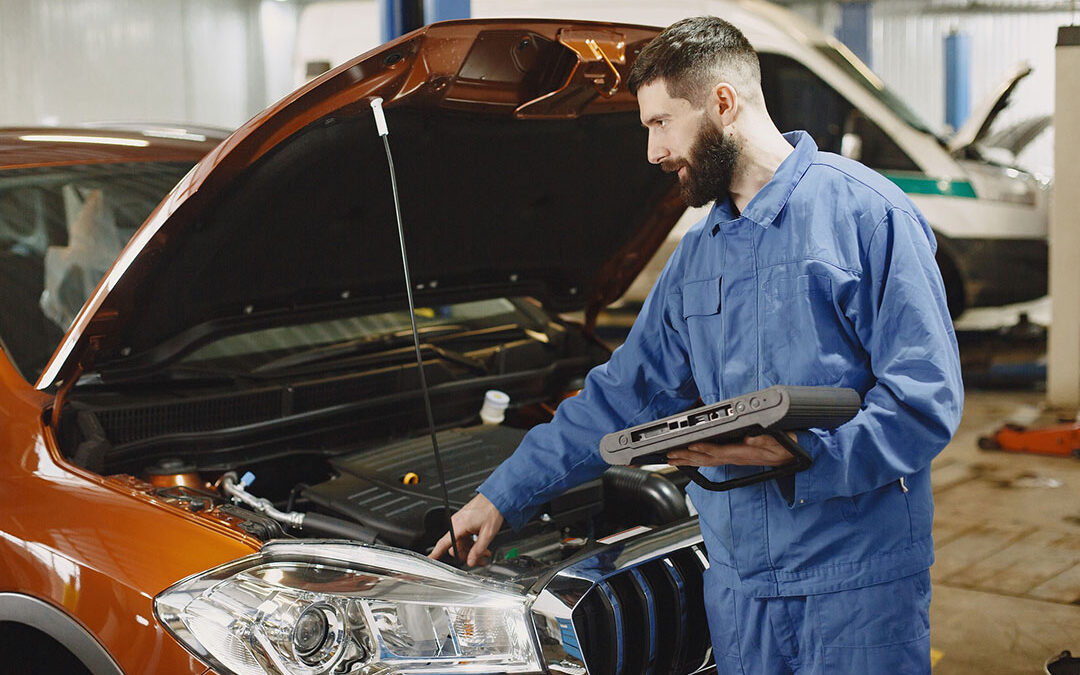
As vehicles age, their mechanical and electronic components naturally begin to wear down, often leading to mysterious performance issues. Maintaining an older car requires more than just visual inspections; it demands a precise look into the internal data managed by the vehicle’s computer.
Computerized diagnostics are essential for pinpointing the root cause of trouble before a minor glitch turns into a catastrophic breakdown. By bridging the gap between old-school mechanical parts and modern sensors, these tools allow high-mileage vehicles to remain reliable and safe for years to come.
Identifying Intermittent Electronic Glitches
Older cars often suffer from “ghost” problems where a sensor fails only under specific conditions, such as high heat or heavy rain. A diagnostic scan can access the “freeze frame” data stored in the car’s memory, showing exactly what was happening when the error first occurred.
- Accesses historical trouble codes that don’t always trigger a permanent dashboard light.
- Pinpoints faulty wiring or corroded connectors that are common in aging harnesses.
- Saves hours of manual labor by directing technicians to the specific circuit causing the fault.
Catching these intermittent issues early prevents the frustration of “parts tossing,” where components are replaced blindly in hopes of a fix. This targeted approach ensures that only the necessary repairs are performed, saving you time and money.
Monitoring Engine Health and Compression
As an engine accumulates miles, internal wear on valves and piston rings can lead to a gradual loss of power and efficiency. Diagnostic tools can monitor “fuel trim” and “misfire counts” to evaluate how well the engine is actually breathing and burning fuel.
- Detects subtle misfires that may not be felt by the driver but damage the catalytic converter.
- Monitors oxygen sensor data to ensure the air-fuel mixture is balanced correctly.
- Identifies vacuum leaks that often develop as rubber hoses become brittle with age.
Regularly checking these data points allows you to stay ahead of internal engine wear that could eventually lead to a total failure. It provides a roadmap for preventative maintenance that keeps the heart of your car beating strong.
Improving Declining Fuel Economy
Many drivers of older vehicles assume that a drop in miles per gallon is just an inevitable part of a car’s aging process. However, a diagnostic tool can reveal if a faulty sensor is forcing the engine to run “rich,” which wastes gasoline and clogs the exhaust system.
- Checks the functionality of the Mass Air Flow (MAF) sensor and Engine Coolant Temperature (ECT) sensor.
- Verifies that the transmission is shifting at the correct intervals to optimize fuel consumption.
- Pinpoints sticking fuel injectors that may be leaking extra gas into the combustion chamber.
Restoring the correct communication between sensors can often return an older vehicle’s fuel efficiency to near-factory levels. This makes your daily commute more affordable and reduces the environmental impact of your high-mileage car.
Extending the Life of the Transmission
Automatic transmissions in older vehicles are highly sensitive to fluid temperature and electronic pressure controls. Advanced diagnostics can read transmission-specific codes that warn of slipping clutches or failing solenoids long before the gears start to grind.
- Monitors the fluid temperature to prevent overheating during heavy towing or summer heat.
- Identifies electronic shift errors that can be fixed without a full transmission rebuild.
- Tests the torque converter’s ability to lock up, which prevents unnecessary wear and heat.
Catching a transmission shutter or a delayed shift early through data analysis can save you thousands of dollars in replacement costs. It ensures the drivetrain remains smooth and responsive throughout the vehicle’s sunset years.
Ensuring Emissions Compliance and Safety
In many regions, older cars must pass strict emissions tests to remain road-legal, and a single faulty sensor can cause an immediate failure. Diagnostics allow you to verify that all “readiness monitors” are set and that the car’s safety systems, like ABS and Airbags, are fully operational.
- Clears “nuisance” codes and verifies that repairs have successfully solved the underlying problem.
- Checks the health of the Evaporative Emissions (EVAP) system to prevent fuel vapor leaks.
- Test the Anti-lock Braking System (ABS) sensors for accuracy during emergency stops.
Maintaining these systems is not just about passing an inspection; it is about ensuring your vehicle protects you in an accident. Diagnostics provide the data necessary to trust your older car on long highway trips and in heavy traffic.
Maximizing Your High-Mileage Investment
Choosing to perform regular diagnostics on an older vehicle is an investment in both safety and financial sanity. Instead of waiting for a total mechanical collapse, you gain the ability to make informed decisions about which repairs are truly necessary to keep your car on the road.
This proactive strategy transforms an aging car into a dependable asset that can easily surpass the 200,000-mile mark. By listening to what your car’s computer is trying to tell you, you ensure a smoother ride and a longer future for your favorite vehicle.