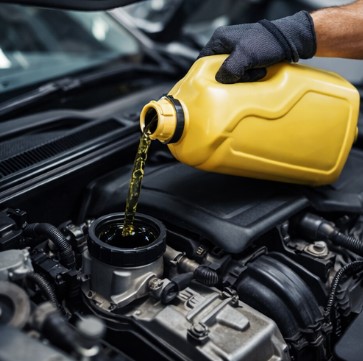
Motor oil is the lifeblood of your vehicle, serving as the primary barrier between moving metal parts that operate at high speeds and temperatures. When you neglect regular oil changes, you allow this vital fluid to break down, stripping your engine of its most basic protection.
The consequences of running an engine on old, contaminated oil are both severe and incredibly expensive to rectify. By understanding the mechanical breakdown that occurs without fresh lubrication, you can appreciate why a simple oil change is the most important maintenance task for your car.
Loss of Critical Lubrication
The primary job of oil is to create a microscopic film between components like pistons and cylinder walls to prevent metal-on-metal contact. As oil ages, its viscosity breaks down, meaning it becomes too thin to maintain this protective layer under the pressure of daily driving.
- Check your oil level frequently using the dipstick to ensure there is enough volume to coat all internal parts.
- Notice if your engine sounds louder than usual, as increased “clatter” often indicates a lack of proper lubrication.
- Pay attention to the oil’s color; dark, gritty oil has lost its ability to slide smoothly between surfaces.
Without this lubrication, the friction between parts generates immense heat that can eventually weld metal components together. This “seizing” of the engine is a terminal event that usually requires a total replacement.
Development of Engine Sludge
When oil is left in an engine for too long, it begins to oxidize and mix with moisture and combustion byproducts to form a thick, jelly-like substance known as sludge. This heavy gunk clings to the engine’s interior, blocking the narrow passages through which oil must flow to reach the upper valvetrain.
- Follow the manufacturer’s recommended mileage intervals to drain out old oil before it can solidify.
- Look for signs of “mayonnaise” or thick buildup on the underside of your oil fill cap.
- Be aware that short city trips can accelerate sludge formation because the engine never reaches a high enough temperature to evaporate moisture.
Sludge acts like a clog in an artery, starving the engine of the very fluid it needs to survive. Once sludge has taken hold, it is difficult and time-consuming to clean out without a complete engine teardown.
Ineffective Heat Dissipation
While the radiator cools the upper part of the engine, the oil is responsible for carrying heat away from the high-friction areas deep inside the block. Fresh oil absorbs this thermal energy and carries it to the oil pan to cool, but old, dirty oil loses its thermal conductivity.
- Monitor your temperature gauge to ensure your vehicle is staying within the normal operating range.
- Replace your oil filter with every change to ensure the fluid can flow freely and cool effectively.
- Avoid heavy towing or high-speed driving if you are past your scheduled oil change date.
When oil cannot dissipate heat, the internal temperature of the engine can rise to the point of warping the cylinder heads or blowing the head gasket. Keeping the oil fresh is essential for maintaining a stable thermal balance.
Corrosion from Acidic Buildup
Engine oil contains specialized additives designed to neutralize the acids that are naturally produced during the combustion process. Over time, these additives are depleted, and the oil itself becomes acidic, which leads to the chemical “eating” of soft metal bearings and seals.
- Change your oil at least once or twice a year, even if you haven’t hit the mileage limit, as oil degrades over time.
- Use the correct grade of oil specified in your owner’s manual to ensure the additive package matches your engine’s needs.
- Watch for small oil leaks, which can develop as acidic oil weakens rubber gaskets and seals.
This chemical corrosion happens slowly and silently, weakening the structural integrity of your engine from the inside out. Regular oil changes replenish these protective additives to keep the internal environment neutral and safe.
Accumulation of Abrasive Contaminants
As your engine runs, it naturally produces tiny metal shavings and carbon deposits that the oil is designed to trap and carry to the filter. Once the oil becomes saturated with these particles, it essentially becomes an abrasive “sandpaper” liquid that grinds down the very parts it is supposed to protect.
- Always change the oil filter during an oil change to remove the trapped debris from the system.
- Inspect the old oil for a “shimmering” effect, which can indicate that metal-on-metal wear is already occurring.
- Ensure your air filter is clean to prevent outside dirt from entering the oiling system through the intake.
Allowing these abrasives to circulate through your engine leads to rapid wear on the camshafts and bearings. This accelerated aging can turn a high-mileage engine into a scrap metal pile long before its time.
Protecting Your Engine for the Long Haul
The decision to skip an oil change is a gamble that carries the highest possible stakes for your vehicle’s survival. By prioritizing this simple and affordable service, you are actively preventing the friction, heat, and corrosion that lead to a catastrophic mechanical collapse.
Your engine is a precision-engineered machine that depends on clean lubrication to perform its daily duties without fail. Investing in fresh oil today is the only way to ensure your car remains a reliable partner for your commute, your road trips, and your peace of mind for years to come.