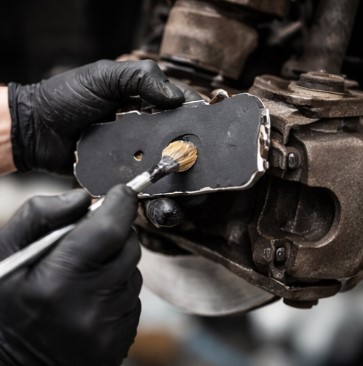
Your vehicle’s braking system is arguably its most critical safety feature, standing between a routine stop and a potential collision. Ignoring the health of your brake pads can lead to costly rotor damage or, more importantly, a dangerous loss of stopping power.
Understanding the warning signs of thin pads allows you to address maintenance issues before they escalate into emergencies. Regular inspection and awareness of your car’s behavior ensure that you remain in control every time you hit the pedal.
Listen for a High-Pitched Squeal
Most modern brake pads are manufactured with a small metal shim known as a wear indicator. When the friction material wears down to a specific thickness, this metal piece contacts the rotor to create a piercing, metallic chirp.
- Pay attention to a consistent squealing noise when the brakes are not applied.
- Notice if the sound disappears or changes pitch when you press the brake pedal.
- Distinguish this sound from the temporary grinding caused by surface rust after rain.
Hearing this sound is your car’s early warning system designed to alert you before the pads are completely gone.
Watch for the Dashboard Warning Light
Many late-model vehicles are equipped with electronic sensors that monitor the thickness of the brake lining. If the pads wear down past a safe threshold, a light will illuminate on your instrument cluster to notify you of the need for service.
- Check your owner’s manual to identify the specific brake wear symbol for your car.
- Ensure the light isn’t actually indicating a low level of brake fluid in the reservoir.
- Remember that an illuminated “ABS” light may indicate a different issue within the braking system.
While sensors are helpful, you should never rely solely on electronics to tell you when it is time for a replacement.
Conduct a Visual Inspection
If your car has alloy wheels with open spokes, you can often see the brake pads without even taking the wheel off. This allows for a quick physical check of how much friction material is left against the shiny metal rotor.
- Look through the wheel spokes to locate the brake caliper.
- Identify the pad pressed against the rotor and estimate its remaining thickness.
- Aim for at least one-fourth of an inch of padding; anything less requires immediate attention.
Checking the thickness visually provides the most direct evidence of whether your pads have reached the end of their lifespan.
Feel for Vibrations in the Pedal
When brake pads become excessively thin or unevenly worn, they can cause the braking system to overheat. This heat can lead to a pulsing sensation in the brake pedal or a shaking steering wheel during deceleration.
- Monitor for a rhythmic vibration when applying steady pressure at highway speeds.
- Note if the car pulls to one side, which may indicate uneven pad wear.
- Be aware that these vibrations can also signal warped rotors caused by thin pads.
Feeling a pulse under your foot is a sign that the friction surfaces are no longer making smooth, even contact.
Identify Grinding or Growling Noises
If you hear a deep, metallic grinding sound, you have likely moved past the point of simple wear and into metal-on-metal contact. This occurs when the friction material is completely exhausted, leaving the steel backing plate to rub against the rotor.
- Listen for a sound similar to sandpaper or stones rubbing together.
- Feel for a spongy or soft brake pedal accompanied by the noise.
- Inspect your rotors for deep grooves or scoring caused by the metal contact.
This sound is a critical red flag that indicates your brakes are failing and causing structural damage to other components.
Prioritize Your Safety on the Road
Catching thin brake pads early is the best way to avoid expensive repairs and ensure your vehicle stops reliably in every situation. By staying proactive and listening to the subtle cues your car provides, you can maintain peak performance and peace of mind behind the wheel.
Regular maintenance prevents a minor inconvenience from turning into a major mechanical failure during a commute. Taking action as soon as you notice these signs protects both your wallet and the lives of everyone inside the vehicle.