
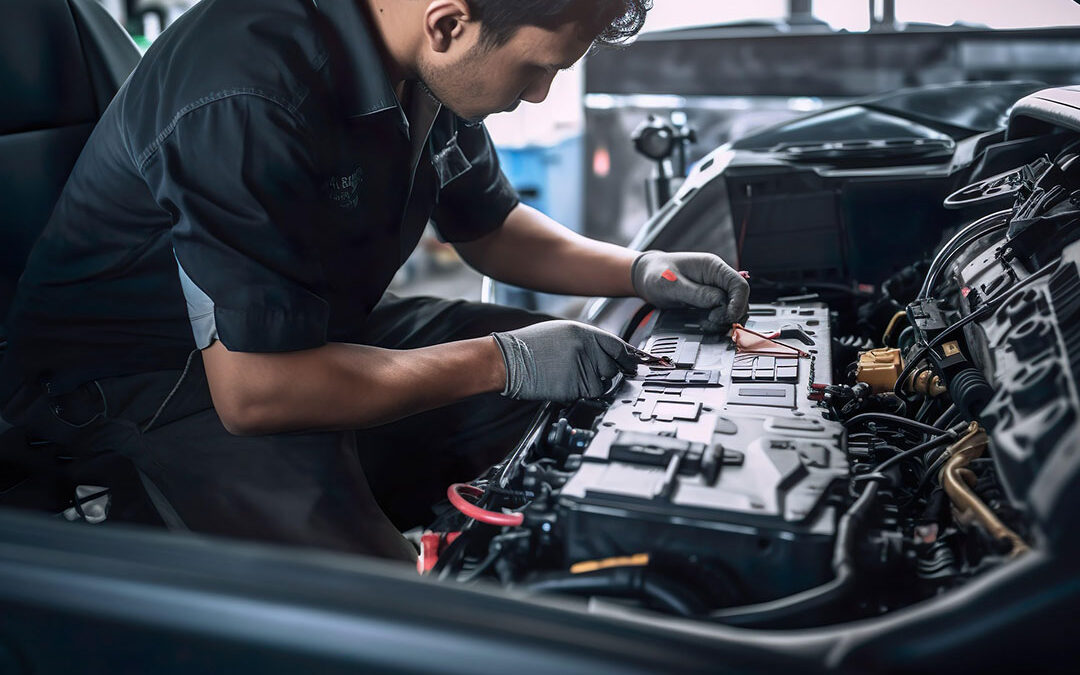
Modern vehicles are essentially rolling computers that rely on a complex network of wires and sensors to function correctly. When the electrical system falters, it can lead to everything from minor inconveniences like a dim radio to major safety risks such as a total engine stall.
Understanding the common warning signs of electrical failure is the first step in preventing a costly breakdown on the side of the road. By recognizing these issues early, you can address small repairs before they cascade into expensive mechanical disasters.
Dead or Dying Battery
The battery is the heart of your car’s electrical system, providing the initial surge of power needed to crank the engine. Most automotive batteries have a lifespan of three to five years, and their performance can be severely impacted by extreme temperatures or lack of use.
- Check for physical signs of trouble like a bulging case or white, ashy corrosion on the terminals.
- Listen for a slow “crank” when you turn the key, which indicates the battery is struggling to hold a charge.
- Keep the terminals clean and tight to ensure a solid electrical connection at all times.
If your car requires frequent jump-starts, the battery has likely reached the end of its functional life. Replacing it promptly prevents unnecessary strain on other sensitive electrical components.
Faulty Alternator
While the battery starts the car, the alternator is responsible for keeping it running and recharging the battery while you drive. If the alternator fails, your car will eventually lose all electrical power, causing the engine to shut down mid-trip.
- Look for a dashboard warning light that looks like a battery or says “ALT” or “GEN.”
- Notice if your headlights flicker or grow dim when you are idling at a stoplight.
- Listen for unusual growling or whining noises coming from the front of the engine bay.
A failing alternator can quickly destroy a perfectly healthy battery by undercharging or overcharging it. Professional testing is the only way to confirm if the alternator’s internal voltage regulator is functioning correctly.
Blown Fuses and Relays
Fuses are designed to be the “weak link” in a circuit, breaking the connection if a power surge occurs to protect expensive modules. If a specific component like your power windows or horn suddenly stops working, a blown fuse is often the culprit.
- Locate your vehicle’s fuse box using the owner’s manual to find the specific circuit in question.
- Inspect the small wire inside the clear plastic fuse to see if it has melted or broken.
- Always replace a blown fuse with one of the same amperage rating to avoid fire hazards.
Repeatedly blowing the same fuse indicates a deeper “short circuit” or a grounded wire somewhere in the harness. Ignoring this pattern can lead to overheated wiring and potential damage to the vehicle’s computer.
Malfunctioning Starter Motor
The starter motor is a high-torque electric motor that physically spins the engine’s flywheel to initiate the combustion process. Because it requires a massive amount of current, even a small amount of resistance in the wiring can prevent it from engaging.
- Listen for a single loud “click” or a rapid-fire clicking sound when you try to start the vehicle.
- Check the wiring leading to the starter for signs of heat damage or loose mounting bolts.
- Tap the starter housing lightly with a tool if you are stranded, as this can sometimes temporarily unstick internal brushes.
Starter issues are often intermittent at first, but will eventually leave you stranded at the most inconvenient time. Addressing a sticking starter early ensures your vehicle remains reliable for your daily commute.
Dim or Flickering Lighting
Lighting issues are often the first visible symptom of a systemic electrical problem or a simple failing bulb. However, if multiple lights are behaving strangely at once, it usually points to a poor ground connection or a failing headlight switch.
- Check the “ground” wires that bolt to the vehicle’s frame for rust or loose connections.
- Replace bulbs in pairs to ensure even brightness and color across both sides of the vehicle.
- Inspect the plastic light sockets for signs of melting or discoloration caused by high electrical resistance.
Clear visibility is a fundamental safety requirement for night driving and inclement weather. Keeping your lighting system in top shape ensures you remain visible to other drivers and can see the road ahead.
Securing Your Vehicle’s Electronic Future
Ignoring a flickering light or a slow start is a gamble that often results in a tow truck bill and missed appointments. By staying proactive and performing basic visual inspections of your battery and fuses, you can maintain the intricate electrical balance your car requires.
Modern automotive technology is robust, but it requires a steady flow of clean power to operate the safety features and performance sensors you rely on every day. Taking the time to understand these common failure points ensures that your vehicle stays on the road and out of the shop.